Post-Surgery Recovery: Diet, Rest & Wound Care Tips at Home
Recover safely after surgery with the best post-surgery recovery tips including healthy diet after surgery, proper rest, pain management, and wound care at home. Trusted guidance from Gani Hospital Ramanathapuram. Book your follow-up consultation today

Introduction
Recovering after surgery is one of the most important stages of your healing journey. Your body needs enough rest, nutrition, hydration, and proper wound care after surgery to regain strength and repair tissues effectively. Post-surgery recovery time may vary depending on the type of procedure, patient age, and overall health condition.
Following post-operative care instructions at home can reduce pain, prevent infection, and improve comfort during the healing process. At Gani Hospital Ramanathapuram, we guide every patient through safe and complete post-surgery recovery — from discharge to full return to normal life.
Learn about our full range of surgical and post-operative services at Gani Hospital and how our team supports your recovery at every step.
Why Post-Surgery Care is Important
Post-operative care is important because it directly affects how quickly and safely you heal after a surgical procedure. Proper care at home helps the wound heal faster, reduces swelling, lowers the risk of infection, and prevents complications that could lead to re-admission.
Good post-surgery recovery habits also improve energy levels, support safe movement, and help patients return to their daily routine sooner. Ignoring discharge instructions or skipping follow-up appointments may delay healing or cause serious complications.
Best Diet After Surgery: What to Eat for Faster Recovery
1. Protein-Rich Foods
Include eggs, milk, curd, dal, pulses, paneer, fish, or chicken if allowed by your doctor. Protein helps rebuild tissues, supports muscle strength, and significantly improves healing speed after surgery. Protein is the most important nutrient for surgical recovery.
2. Fresh Fruits & Vegetables
Fresh fruits and vegetables provide vitamins, minerals, and antioxidants that strengthen immunity and reduce recovery stress on the body. Include seasonal fruits, leafy greens, and coloured vegetables in your daily diet.
3. Hydration — Fluids & Water
Drink enough water, soups, tender coconut water, or doctor-approved fluids throughout the day. Good hydration supports circulation, digestion, kidney function, and faster overall recovery after surgery.
4. Fiber-Rich Foods
Whole grains, oats, fruits, and vegetables help prevent constipation after surgery, which is very common due to pain medicines and reduced physical movement during recovery.
5. Foods to Avoid After Surgery
- Oily and heavy fried foods — slow digestion and recovery
- Too much sugar — may impair wound healing
- Alcohol — interferes with medicines and healing
- Smoking — reduces oxygen supply to healing tissue
- Unapproved supplements — may interact with medicines
- Very spicy foods — if advised to avoid by your doctor
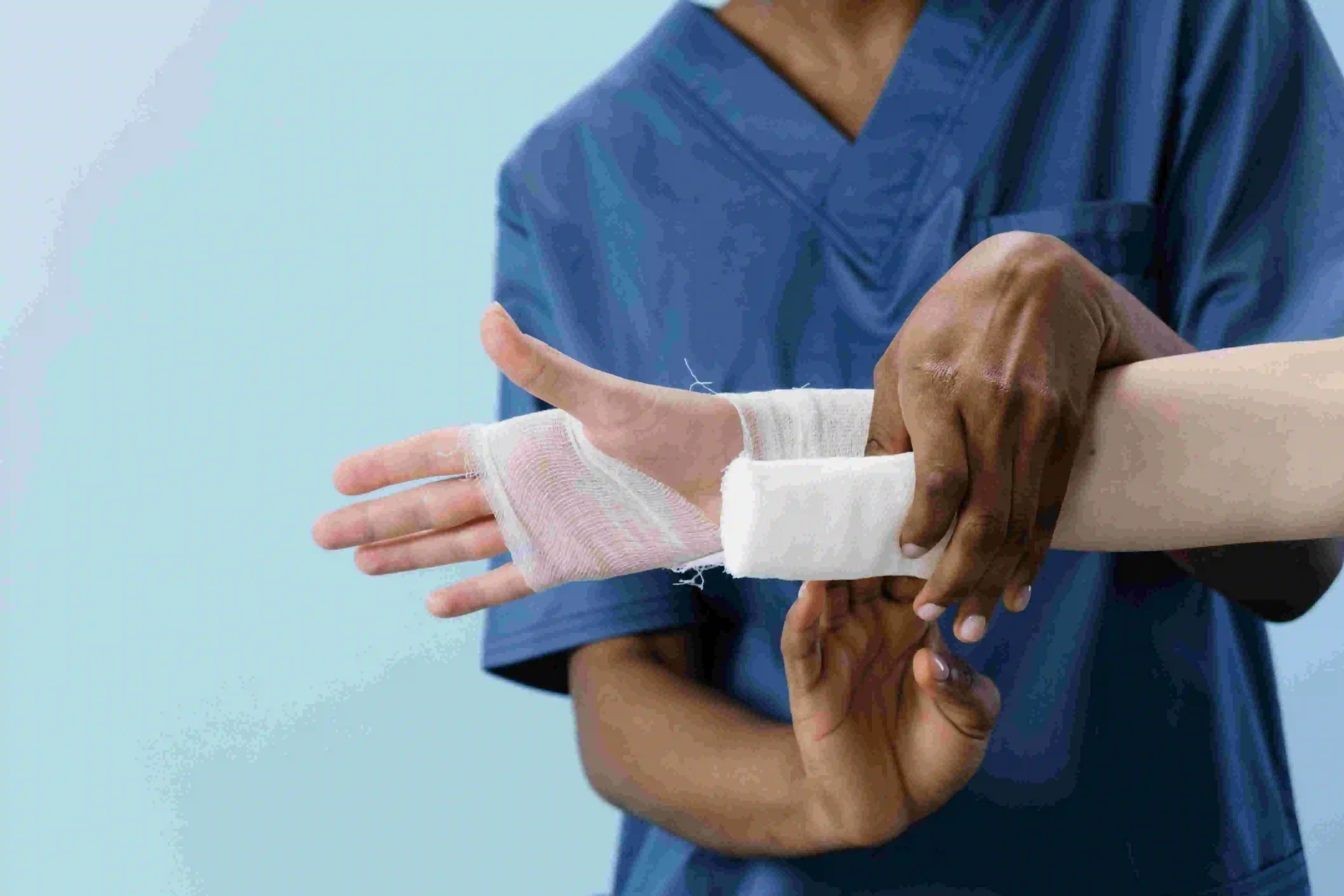
Wound Care Tips at Home After Surgery
Proper wound care after surgery is essential to prevent infection, reduce pain, and support faster healing. Always follow your surgeon's discharge instructions carefully and never skip dressing changes.
- Keep the wound dressing clean and dry at all times
- Wash hands thoroughly before touching the wound area
- Change dressing only as instructed by your doctor or nurse
- Do not scratch, rub, or pick at the wound or stitches
- Avoid applying creams, powders, or oils unless prescribed
- Watch for signs of infection: redness, pus, bad smell, or swelling
- Attend all wound review and dressing appointments without fail
- Wear loose, comfortable clothing around the wound area
If the wound becomes warm, painful, or starts leaking fluid, contact your doctor immediately without waiting for your next scheduled appointment.
For wound care support and post-operative dressing services, contact Gani Hospital Ramanathapuram — our nursing team is available to assist you.
Importance of Rest After Surgery
Adequate rest after surgery gives the body the time it needs to repair damaged tissues and regain strength. Quality sleep is especially important during the first few days after surgery because the body's healing processes are most active during rest periods.
Patients should avoid overexertion, lifting heavy objects, and sudden movements during early recovery. Short, gentle walks may be advised by your doctor to improve blood circulation and prevent blood clots and stiffness.
Balancing rest with gentle movement helps support smoother, faster, and safer post-surgery recovery overall.
Pain Management Tips After Surgery
Some degree of pain after surgery is completely normal, but it should gradually improve each day with proper medicine and rest. Take pain medicines exactly as prescribed and do not stop or reduce them suddenly without medical advice.
- Take pain medicines on time as prescribed — do not wait until pain is severe
- Do not skip doses unnecessarily — incomplete pain control slows recovery
- Use pillow support while coughing, sneezing, or moving if advised
- Rest in a comfortable, supported position to minimize strain
- Try gentle movement if approved by your doctor to reduce stiffness
- Report any severe or worsening pain to your doctor immediately
If pain becomes stronger each day instead of better, or is not controlled by prescribed medicines, seek medical review without delay — it may indicate a complication requiring treatment.
Warning Signs After Surgery: When to Seek Immediate Help
Some symptoms after surgery require urgent medical attention. Contact a doctor immediately if you experience any of the following:
- High fever (above 38.5°C / 101.3°F)
- Heavy or uncontrolled bleeding from the wound
- Pus, bad smell, or discharge from the wound (signs of infection)
- Severe pain not controlled by prescribed medicines
- Difficulty breathing or chest tightness
- Repeated vomiting or inability to keep food down
- Trouble passing urine or urinary discomfort
- Sudden weakness, dizziness, or confusion
- Swelling or pain in the legs (possible blood clot)
Early treatment of these warning signs can prevent serious complications and reduce recovery delays. Do not wait — contact Gani Hospital Ramanathapuram immediately if any of these symptoms appear.
When Can You Return to Normal Activities After Surgery?
Recovery time after surgery depends on the type of procedure performed. Minor surgeries may need only a few days of rest, while major operations may require several weeks before normal activities can resume.
- Return to work only after receiving medical clearance from your surgeon
- Driving may require specific approval — do not drive while on pain medicines
- Exercise and physical activity should restart gradually, starting with walking
- Follow your doctor's timeline for lifting weights or heavy objects
- Sexual activity and travel may also need specific medical advice
To discuss your return-to-activity plan, book a follow-up appointment at Gani Hospital Ramanathapuram and let our team guide your recovery timeline.
Follow-Up Care & Post-Operative Support at Gani Hospital Ramanathapuram
At Gani Hospital, Ramanathapuram, our experienced medical team provides comprehensive continued recovery support after every surgical procedure. We follow structured post-operative protocols to ensure every patient heals safely and returns to good health.
- Post-operative consultation and medical review
- Wound dressing and stitches/staples removal support
- Recovery monitoring and healing assessment
- Medicine review and pain management guidance
- Diet and lifestyle advice for faster recovery
- Emergency guidance for unexpected symptoms
- Clear discharge instructions and follow-up scheduling
Explore the full range of surgical and post-operative services at Gani Hospital to learn how we support your complete recovery journey.
Trusted Resources for Post-Surgery Recovery
For additional medical information and recovery guidance after surgery, refer to these trusted international healthcare resources:
Conclusion
Successful post-surgery recovery depends on eating the right foods, getting enough rest, managing pain correctly, practising safe movement, and following careful wound care at home. Following all discharge instructions and attending every follow-up appointment can significantly improve your healing speed and lower complication risks.
If you experience unusual symptoms, delayed healing, or have questions about your recovery, seek medical advice without delay. Do not ignore warning signs.
For trusted surgery recovery care in Ramanathapuram, expert follow-up consultations, and complete patient support, choose Gani Hospital.
Book your post-surgery follow-up appointment at Gani Hospital today
Frequently Asked Questions About Post-Surgery Recovery
What foods help healing after surgery?
Protein-rich foods like eggs, dal, paneer, fish, and chicken help rebuild tissue. Fresh fruits, vegetables, and fluids like water, soups, and tender coconut water also support faster recovery after surgery.
Can I bathe after surgery?
Bathing is only permitted as advised by your doctor, depending on the wound type and dressing. Always follow your surgeon's discharge instructions before getting the wound area wet.
How long does pain last after surgery?
Mild to moderate pain is common for a few days to several weeks depending on the procedure. Pain should improve gradually with prescribed medicines. If pain worsens each day, consult your doctor immediately.
When should I worry about wound infection after surgery?
Signs of wound infection include pus or discharge, high fever, redness or warmth around the wound, bad smell, or increasing swelling. Contact your doctor immediately if any of these signs appear.
When should I visit the hospital for a review?
Attend all scheduled follow-up appointments as advised during discharge. At Gani Hospital Ramanathapuram, our team provides wound checks, medicine review, and recovery monitoring at every post-operative consultation.
When can I return to work after surgery?
Return to work only after receiving clearance from your surgeon. Minor procedures may allow return within a few days, while major surgeries may need several weeks of rest before resuming work or physical activity.
Is constipation normal after surgery?
Yes, constipation after surgery is common due to pain medicines and reduced movement. Eating fiber-rich foods, drinking enough fluids, and gentle walking can help. Inform your doctor if it persists.
Still have questions about your recovery? Contact our patient care team at Gani Hospital Ramanathapuram- we are here to help you heal safely.